

You’re Not Lazy — You’re Inconsistent (And Here’s Why)

The Truth Most People Avoid
Have you ever felt frustrated with yourself because you start strong but struggle to keep going? One day you’re full of energy, making plans and setting goals, and the next you feel stuck, questioning your discipline. It’s easy to label yourself as lazy when progress slows down.
But what if laziness isn’t the real problem?
Many people don’t fail because they lack talent, intelligence, or ambition. They struggle because their actions are inconsistent. Understanding this difference can completely change how you see your habits, your goals, and even your identity.
This article will help you understand why inconsistency quietly blocks growth, how it differs from laziness, and what you can do to build steady momentum in your life.
What Laziness Really Means — And Why It’s Rare
Laziness is often described as a refusal to act even when action is possible. However, most people who call themselves lazy actually care deeply about improving. They plan, they dream, and they try again after setbacks.
If you were truly lazy, you wouldn’t feel frustrated about your lack of progress.
The real issue is usually a pattern like this:
- Strong motivation at the beginning
- Intense effort for a short period
- Burnout or distraction
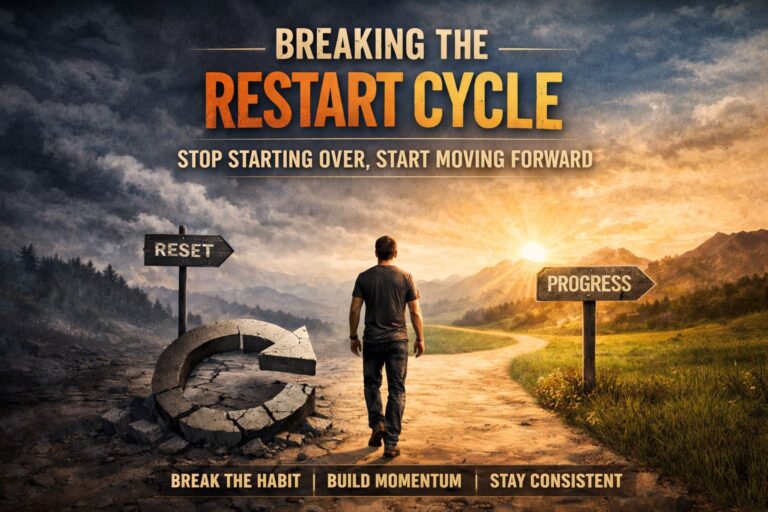
- Long pauses before restarting
This cycle creates the illusion of laziness, but it’s actually inconsistency.
When you understand this, you stop attacking your character and start fixing your systems.
The Hidden Cost of Inconsistency
Inconsistency doesn’t always look dramatic. It shows up in small ways that quietly slow your progress.
- Skipping a task “just today”
- Waiting until you feel motivated again
- Starting new plans without finishing old ones
- Changing direction too often
Each of these moments seems small, but together they break momentum. Progress depends less on big bursts of effort and more on repeated, steady actions.
Imagine watering a plant only once every two weeks. You might give it a lot of water on that day, but it still struggles because growth requires consistency.
Your goals work the same way.
Motivation vs. Consistency: Understanding the Difference
| Motivation | Consistency |
|---|---|
| Emotional and temporary | Structured and repeatable |
| Feels intense at the start | Feels small but steady |
| Depends on mood | Depends on systems |
| Leads to bursts of action | Leads to long-term results |
When people chase motivation, they experience cycles of starting and stopping. When they build consistency, growth becomes predictable.
Why Inconsistency Happens
1. Setting Unrealistic Expectations
Many people try to change everything at once. They aim for perfect routines, big goals, and fast results. This creates pressure, and when reality doesn’t match the plan, they lose momentum.
2. Lack of Clear Structure
Without a simple routine, decisions drain mental energy. Every day becomes a negotiation with yourself.
3. Overvaluing Intensity
People often believe that success comes from working harder or longer. While effort matters, sustainable progress comes from showing up regularly, even in small ways.
4. Identity Confusion
When someone believes “I’m lazy,” they begin to act according to that label. Changing your identity toward someone building consistency shifts how you approach challenges.
The Psychology Behind Consistency
Consistency is not just a habit — it’s a mindset shift.
Instead of asking, “How can I do more today?” ask, “How can I show up again tomorrow?”
This shift reduces pressure. You stop chasing perfection and start focusing on repeatable actions. Small wins matter more than big breakthroughs because they build trust in yourself.
Signs You’re Not Lazy — Just Inconsistent
- You feel excited at the beginning of new projects
- You often restart after breaks
- You care deeply about growth but struggle to maintain routines
- You compare yourself to others who seem more disciplined
How Inconsistency Silently Blocks Growth
When you stop and restart repeatedly:
- Confidence drops because results feel unpredictable
- Goals feel overwhelming because you’re always beginning again
- Discipline feels harder because habits never fully form
The good news is that breaking this cycle doesn’t require massive changes. It starts with small, reliable actions repeated over time.
Practical Steps to Build Consistency
Start Smaller Than You Think
Focus on one small action you can repeat daily. Consistency grows from simplicity.
Create a Clear Trigger
Tie your habit to something you already do, like writing after your morning tea or reviewing goals before sleep.
Track Progress Without Pressure
A simple checklist or calendar can remind you that progress is happening even when results feel slow.
Expect Imperfection
Consistency doesn’t mean never missing a day. It means returning quickly after a break.
Changing the Story You Tell Yourself
Instead of saying, “I’m lazy,” try thinking, “I’m learning how to be consistent.” This removes shame and focuses on growth.
Long-Term Benefits of Consistency
- Confidence increases because you trust your actions
- Goals feel achievable because progress becomes predictable
- Your identity shifts toward discipline and reliability
Over time, consistency compounds. Small actions repeated daily create results that seem impossible at the beginning.
You’re Not Broken — You’re Building Rhythm
If you’ve been calling yourself lazy, it may be time to look deeper. Many people struggle not because they lack effort, but because they haven’t developed a steady rhythm yet.
Consistency is not about perfection. It’s about returning again and again, even when motivation fades.
The next time you feel stuck, don’t ask whether you’re lazy. Ask whether your actions are consistent. Because once you build consistency, progress stops feeling random — it becomes part of who you are, one small step at a time.
Discover more from Mutembei William
Subscribe to get the latest posts sent to your email.



So so inspiring